

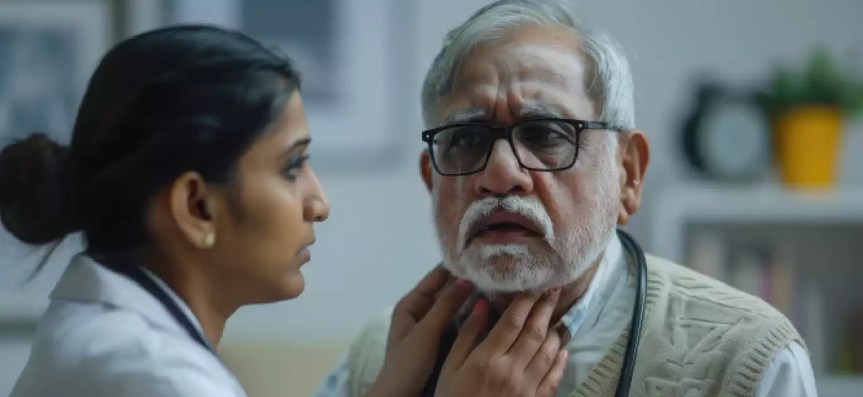
Introduction: The Dual Journey of Illness and Recovery
In the complex world of health and medicine, understanding medical conditions and their respective treatments is both a personal and universal necessity. From chronic diseases that unfold gradually to acute conditions that strike unexpectedly, every ailment comes with its own challenges, implications, and pathways to recovery. The modern healthcare landscape, enriched by scientific advancements and a growing emphasis on holistic well-being, offers not just cures but clarity and care. This article presents a refined exploration of various medical conditions and the multifaceted treatments designed to address them, highlighting the elegance and intricacy of contemporary medicine.
Defining Medical Conditions: A Diverse Spectrum
Medical conditions are disruptions to the normal physiological function of the body, resulting from internal dysfunction, external factors, or a combination of both. Broadly categorized, they vary in onset, duration, and impact on daily life.
Chronic Conditions: Long-Term Companions
These conditions persist over months or years and often require ongoing management.
-
Diabetes Mellitus: A metabolic disorder characterized by elevated blood sugar levels, managed through diet, exercise, and often medication or insulin therapy.
-
Hypertension: Commonly known as high blood pressure, it increases the risk of heart disease and stroke. Lifestyle changes and antihypertensive medications are central to treatment.
-
Arthritis: Inflammatory or degenerative joint conditions, typically managed with anti-inflammatory drugs, physical therapy, and sometimes surgical intervention.
Acute Conditions: Sudden and Severe
Acute conditions have a rapid onset and often require immediate attention.
-
Appendicitis: A medical emergency requiring surgical removal of the appendix.
-
Pneumonia: A respiratory infection treated with antibiotics and supportive care.
-
Injuries: Fractures, sprains, or lacerations may need urgent surgical or orthopedic care.
Mental Health Disorders: The Invisible Ailments
Mental health conditions demand equal attention and care as physical illnesses.
-
Depression and Anxiety: Often managed through a combination of psychotherapy, cognitive behavioral therapy (CBT), and pharmacological support.
-
Bipolar Disorder and Schizophrenia: Require long-term psychiatric care, mood stabilizers, and a supportive therapeutic environment.
Innovations in Treatment: From Conventional to Cutting-Edge
The evolution of treatment modalities reflects the remarkable progress in understanding the human body and disease mechanisms. Modern treatments are designed not only to cure but also to preserve quality of life.
Pharmacological Therapies: Targeted and Personalized
Medication remains the cornerstone of treatment for many conditions. However, its precision has vastly improved.
-
Biologic Drugs: Engineered from living cells, these target specific components of the immune system, especially in autoimmune diseases.
-
Personalized Medicine: Uses genetic profiles to predict drug responses and customize treatments, reducing trial-and-error and enhancing effectiveness.
Surgical Interventions: Precision and Recovery
Surgery has advanced beyond traditional open procedures.
-
Minimally Invasive Techniques: Laparoscopic and robotic-assisted surgeries offer faster recovery and less postoperative pain.
-
Outpatient Surgeries: Enable patients to return home the same day, reducing hospital stays and associated costs.
Therapeutic and Rehabilitative Care: Supporting Holistic Recovery
Recovery doesn’t end with medication or surgery. Supporting therapies play a vital role.
-
Physical Therapy: Restores movement and function after injury or illness.
-
Occupational Therapy: Helps patients adapt and regain independence in daily life.
-
Psychotherapy: Crucial for mental and emotional recovery, especially following trauma or chronic illness.
Technology in Medicine: The Digital Revolution
Healthcare today is inextricably linked to technology.
-
Artificial Intelligence (AI): Used to analyze diagnostic images, predict disease progression, and streamline treatment planning.
-
Telemedicine: Expands access to care, particularly in rural or underserved areas, through virtual consultations.
-
Wearable Devices: Monitor heart rate, glucose levels, sleep patterns, and more, offering real-time health insights.
Preventive Care: A Shift Towards Proactive Health
Preventing illness is more effective—and often less costly—than treating it.
-
Vaccinations: Protect against infectious diseases like influenza, hepatitis, and HPV.
-
Screening Programs: Early detection of cancers, heart disease, and metabolic disorders significantly improves outcomes.
-
Lifestyle Interventions: Emphasis on a balanced diet, regular physical activity, stress management, and smoking cessation is foundational to long-term health.
Ethical Considerations and the Human Element
The practice of medicine is not purely clinical—it is deeply human.
-
Informed Consent: Ensures patients understand and agree to treatments, reinforcing autonomy and trust.
-
Access to Care: Equity in healthcare remains a challenge, as economic and social disparities can affect outcomes.
-
End-of-Life Decisions: Palliative care and advanced directives honor dignity and personal choice in critical moments.
Conclusion: Medicine as a Partnership
The journey through illness and healing is a deeply personal experience, shaped by the synergy between medical science and compassionate care. As treatment options become increasingly sophisticated, the role of patient education, ethical practice, and emotional support grows ever more critical. Navigating medical conditions today requires more than diagnosis—it calls for a holistic partnership between physician and patient, science and humanity. In this union, true healing is not just possible—it is profoundly transformative.

 Proz Health