

Introduction: Fitness as a Way of Life, Not a Chore
In a culture increasingly aware of self-care and longevity, fitness has grown from a niche interest to a central pillar of modern wellness. No longer viewed merely as a means to lose weight or build muscle, fitness now encompasses a wide range of benefits—physical, mental, and emotional. Exercise has evolved into an empowering lifestyle, grounded in purpose and intentionality. Whether it’s a mindful yoga session, an invigorating morning run, or a structured gym routine, the act of moving is becoming synonymous with the act of living well.
Defining Fitness in a Broader Context
While many associate fitness with physical aesthetics or athletic prowess, true fitness is far more expansive. It refers to one’s overall capacity to function efficiently in daily life, adapt to challenges, and recover from stress. A well-rounded fitness routine cultivates strength, flexibility, endurance, and balance—both inside and out.
Core Dimensions of Fitness Include:
-
Cardiovascular Health: The ability of the heart and lungs to fuel the body with oxygen during sustained activity.
-
Muscular Strength & Endurance: The capacity of muscles to perform tasks with force and sustain repetition.
-
Flexibility: The range of motion in joints, which helps prevent injuries and enhances posture.
-
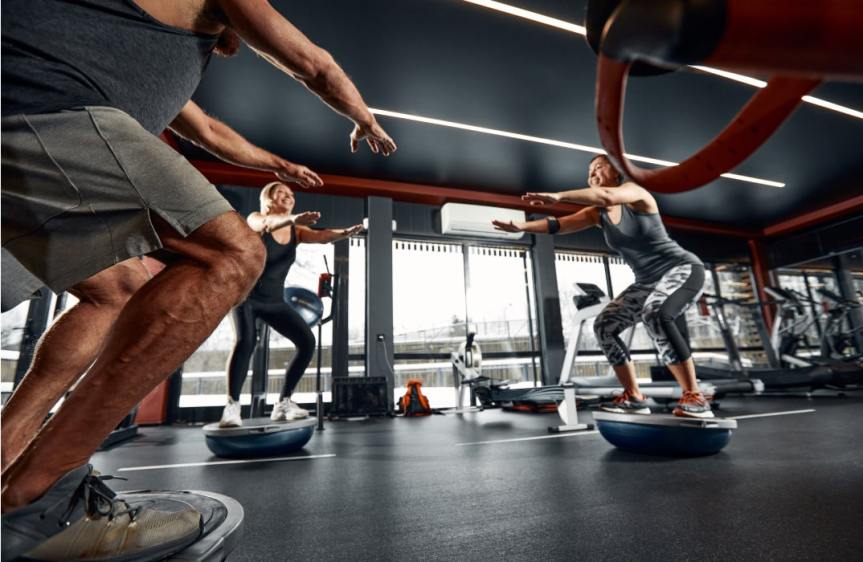
Balance & Coordination: Vital for movement control, especially as we age.
-
Body Composition: The ratio of fat, muscle, and bone, reflecting internal health more accurately than weight alone.
These components together paint a complete picture of what it truly means to be fit—not just able to perform physically, but to thrive mentally and emotionally.
The Evolution of Exercise: From Routine to Ritual
The last few decades have seen a transformation in how people engage with fitness. Traditional gym routines still play a role, but now they are complemented by more personalized, flexible options. This shift recognizes that the best form of exercise is the one that resonates with your lifestyle and brings joy.
Popular Modern Approaches:
-
Functional Fitness: Movements that mimic real-life activities, such as squats, lifts, and lunges, improving mobility and core strength.
-
High-Intensity Interval Training (HIIT): Efficient and effective, HIIT involves short bursts of intense effort followed by rest, appealing to those with tight schedules.
-
Mind-Body Practices: Yoga, Pilates, and tai chi blend physical movement with mindfulness and breath control, offering both physical and emotional balance.
-
Technology-Driven Workouts: Apps, smartwatches, and virtual trainers now guide users through tailored plans, using metrics to track progress and keep motivation high.
This diversity in exercise styles allows individuals to find their own rhythm and redefine what consistency looks like.
The Mental Gains: Fitness as a Mood Elevator
One of the most profound but often overlooked benefits of regular exercise is its impact on mental health. Physical movement activates endorphins—chemicals in the brain that act as natural mood lifters. But the psychological effects go far beyond a fleeting sense of euphoria.
Mental Benefits of Exercise:
-
Reduces Stress: Movement lowers cortisol levels and helps manage daily stressors with greater ease.
-
Improves Focus and Memory: Exercise boosts blood flow to the brain, sharpening cognition and recall.
-
Fights Anxiety and Depression: Numerous studies show regular physical activity can reduce symptoms of both.
-
Enhances Sleep Quality: An active body rests more deeply, leading to better physical and mental restoration.
These effects explain why many mental health professionals now incorporate physical activity into therapeutic recommendations.
Integrating Fitness into Daily Life
Contrary to popular belief, staying fit doesn’t require hours at the gym. It’s often the small, consistent efforts that make the most impact. Building a lifestyle around movement is not about pressure—it’s about finding ease and flow in your day-to-day routine.
Simple Ways to Stay Active:
-
Take Active Breaks: Get up every hour to stretch or take a short walk, especially during desk-bound work.
-
Commute Differently: Walk or cycle instead of driving when possible.
-
Engage in Play: Dance, hike, swim, or play a sport—movement should feel enjoyable, not forced.
-
Stretch in the Morning: Five minutes of mobility work in the morning sets a positive tone for the day.
-
Use Bodyweight Exercises: Push-ups, squats, and planks require no equipment and can be done anywhere.
These habits, when practiced regularly, quietly build strength, flexibility, and endurance over time.
Overcoming Common Fitness Barriers
Even with the best intentions, many people struggle to maintain an exercise routine. Understanding the root causes can help in creating a more sustainable and compassionate approach to fitness.
Common Challenges and Solutions:
-
Lack of Time: Choose efficient formats like HIIT or break workouts into 10-minute segments throughout the day.
-
Low Motivation: Set realistic goals and track small wins. Surround yourself with supportive people or communities.
-
Monotony: Vary your workouts or try new activities to reignite interest.
-
Perfectionism: Let go of the “all-or-nothing” mindset. Any movement is better than none.
The key is to create a routine that aligns with your life, not one that feels like a burden.
Fitness as Connection and Community
Another emerging perspective in the fitness world is its potential to foster connection—not just with ourselves, but with others. Whether it’s through group classes, running clubs, or shared digital challenges, exercise can build meaningful social bonds.
This communal element adds a deeper layer of accountability and joy. Humans are wired to connect, and shared movement amplifies both motivation and fulfillment.
Conclusion: Living with Strength, Grace, and Presence
Fitness is more than a means to an end. It is a practice of self-respect, a celebration of what your body can do, and a tool for cultivating resilience. In a world that often demands more than we can give, movement becomes a way of grounding, of reclaiming control, and of rediscovering joy in our own physicality.
To live fit is to live fully—with strength, grace, and intention. It’s not about achieving a certain look or checking off a daily task. It’s about honoring the gift of movement and building a relationship with your body that will support you for a lifetime.

 Proz Health