

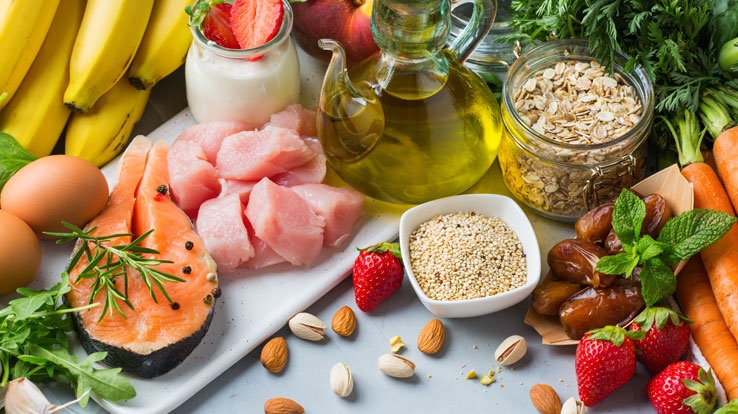
Introduction: The Lost Elegance of Eating Well
In a world of calorie-counting apps, hyper-processed convenience foods, and conflicting diet trends, the concept of nourishment has become distorted. Nutrition and diet are now more associated with restriction and pressure than vitality and well-being. Yet, at its core, eating well is not a burdensome science but a deeply human act of self-care—an everyday ritual with the power to energize, heal, and transform. A refined approach to nutrition demands not only knowledge but intention, mindfulness, and an appreciation for the intricate balance between body, mind, and lifestyle.
The Foundations of Nutrition: What the Body Needs and Why
To feed the body intelligently, one must understand its fundamental nutritional requirements. Every cell, organ, and function depends on a steady supply of nutrients to operate efficiently and remain resilient over time.
Macronutrients: The Three Main Players
-
Carbohydrates are the body’s preferred energy source. When derived from whole foods like oats, quinoa, fruits, and vegetables, they provide not just fuel, but essential fiber and micronutrients.
-
Proteins serve as the body’s building material. They support muscle repair, hormone synthesis, immune responses, and enzymatic processes. Ideal sources include legumes, eggs, lean meats, dairy, tofu, and fish.
-
Fats have long been misunderstood but are crucial for cell membrane integrity, brain health, and hormone production. Healthy fats from nuts, seeds, avocados, and olive oil promote long-term wellness when consumed in moderation.
Micronutrients: The Silent Powerhouses
Though needed in smaller amounts, vitamins and minerals play outsized roles in supporting immunity, bone health, metabolism, and mental clarity.
-
Calcium and vitamin D work together to fortify bone density.
-
Iron is essential for transporting oxygen throughout the body.
-
Magnesium supports muscle function and stress regulation.
-
Zinc, selenium, and B vitamins contribute to cognitive function, immune defense, and cellular health.
Deficiencies in these micronutrients can quietly derail health, even in individuals who appear outwardly fit.
Diet: A Personalized, Dynamic Blueprint for Life
The word “diet” has been hijacked by industries that profit from extremes. At its essence, however, diet simply refers to what one habitually eats. It should never be a punishment or short-term fix—it is a lifestyle, shaped by needs, preferences, culture, and context.
Characteristics of a Sustainable Diet
-
Balance: A nourishing diet includes all major food groups in appropriate ratios.
-
Variety: Consuming a range of different foods ensures a broad spectrum of nutrients and prevents food fatigue.
-
Mindfulness: Paying attention to how food feels and tastes improves digestion and satisfaction.
-
Adaptability: The best diets evolve with changing seasons, age, activity levels, and health conditions.
There is no one-size-fits-all approach. What nourishes one person may burden another. The key is to listen, learn, and adjust.
Common Myths That Distort Our View of Nutrition
Modern nutrition is clouded by misinformation, half-truths, and viral trends. Clearing these myths can set the foundation for more confident, healthful choices.
-
“All fats are bad”: Healthy fats are essential. It is trans fats and excessive saturated fats that pose risks.
-
“Carbs make you gain weight”: Overeating refined carbs may contribute to weight gain, but whole grains, legumes, and fruits are nutrient-dense and metabolically supportive.
-
“Skipping meals helps with weight loss”: Irregular eating patterns can lead to overeating later and disrupt metabolic rhythm.
-
“Supplements are enough”: While helpful in certain cases, supplements can’t replicate the complexity of nutrients in whole foods.
Nutrition should be guided by science, not fear or fad.
The Gut-Brain Axis: How Food Affects Mental Wellness
Emerging research continues to reveal the intimate connection between gut health and mental well-being. Known as the gut-brain axis, this communication network is influenced heavily by what we eat.
Foods That Support Mental Clarity and Emotional Balance
-
Probiotic-rich foods like yogurt, kefir, kimchi, and miso promote a healthy gut microbiome.
-
Fiber-rich foods such as lentils, apples, and oats feed beneficial gut bacteria.
-
Omega-3 fatty acids, particularly those found in fatty fish, flaxseed, and walnuts, reduce inflammation and support brain function.
-
Dark leafy greens and berries, high in antioxidants, protect neural pathways and may reduce the risk of cognitive decline.
A diet that nurtures the gut often leads to clearer thinking, better sleep, and more stable moods.
Mindful Eating: Returning to the Ritual of the Table
In a world of multitasking and haste, meals are often rushed and mindless. Reclaiming the ritual of eating is a powerful act of self-awareness and health promotion.
Strategies for Eating with Intention
-
Eliminate distractions during meals: Avoid screens and focus on the act of eating.
-
Chew slowly and thoroughly: This supports digestion and enhances satisfaction.
-
Use smaller plates: This simple technique helps regulate portion sizes.
-
Pause before second helpings: Give your body time to register fullness.
Eating mindfully transforms a daily necessity into a moment of connection—with oneself, with others, and with the food itself.
Building Habits for Lifelong Nutritional Excellence
No transformation occurs overnight. Long-term wellness stems from consistent habits, not drastic overhauls.
Simple Practices for Everyday Nourishment
-
Start the morning with a protein-rich breakfast.
-
Hydrate before each meal to avoid confusing thirst with hunger.
-
Prepare meals at home to control ingredients and portions.
-
Keep healthy snacks available, such as almonds, boiled eggs, or fresh fruit.
-
Read ingredient labels carefully—less is often more.
Small, deliberate actions—done daily—build a foundation for enduring vitality.
Conclusion: Eating as an Act of Respect
True nutrition is not merely a set of guidelines or a checklist of dos and don’ts. It is an ongoing dialogue between the body and the self. When we eat with awareness, we offer respect to our bodies, honor to our traditions, and gratitude to the natural world. Nutrition and diet, when embraced with elegance and intention, become tools for both healing and joy.
Let your food not just sustain you—but elevate you. In every bite lies the power to shape how you feel, how you live, and how you age. To nourish with care is to live with dignity, and that is a legacy worth cultivating.

 Proz Health