

Introduction: Beyond Calories and Carbs
In today’s hyper-connected, fast-paced world, conversations around food often revolve around buzzwords—low-carb, keto, intermittent fasting, superfoods. While these terms dominate social media and modern discourse, true nutrition is far more nuanced. It is not merely about weight loss or aesthetics; it is a holistic science that encompasses biology, psychology, culture, and sustainability. To appreciate nutrition in its fullness, we must shift from transient trends to timeless wisdom rooted in scientific insight and thoughtful living.
Understanding Nutrition: The Building Blocks of Health
Nutrition is the process through which our bodies absorb and utilize nutrients from food for growth, repair, energy, and overall function. A balanced diet offers the six essential nutrients:
-
Carbohydrates: The body’s preferred energy source.
-
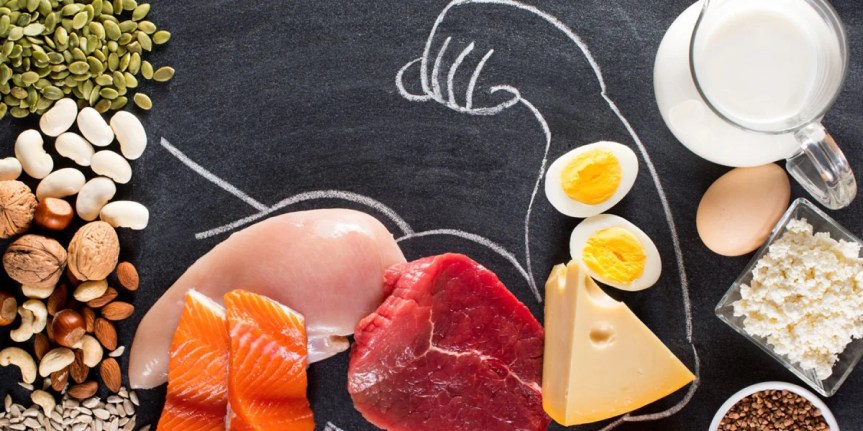
Proteins: Vital for muscle repair, hormone production, and immune defense.
-
Fats: Essential for brain health, hormone balance, and cellular structure.
-
Vitamins: Organic compounds that support various physiological functions.
-
Minerals: Inorganic elements like calcium, iron, and zinc, crucial for bone density, oxygen transport, and enzyme activity.
-
Water: The most overlooked yet critical nutrient for hydration, digestion, and detoxification.
Each nutrient has a unique role and is required in precise amounts depending on age, gender, activity level, and overall health.
Diet vs. Nutrition: The Conceptual Divide
Although often used interchangeably, “diet” and “nutrition” represent distinct ideas. Nutrition refers to the science of how food affects the body. Diet, on the other hand, is the pattern of eating—what, when, and how we consume food. A diet can be healthy or harmful, balanced or deficient. What elevates a diet into good nutrition is the informed, intentional selection of foods that serve one’s physiological and emotional needs.
The Evolution of Dietary Habits
Modern dietary practices have changed dramatically over the last century. Industrialization introduced mass production, convenience foods, and refined sugars. While these advancements addressed hunger, they also contributed to a rise in lifestyle diseases:
-
Obesity
-
Type 2 Diabetes
-
Hypertension
-
Cardiovascular Diseases
-
Certain Cancers
The traditional diets of Mediterranean, Japanese, or Indian origin—rich in whole grains, legumes, fermented foods, fruits, and healthy fats—have been largely overshadowed by ultra-processed options. Reintroducing elements from ancestral diets may be one of the keys to restoring balance.
The Psychological Side of Eating
Eating is not merely a physical act but a deeply emotional one. Comfort food, celebratory feasts, and even stress-eating reveal our complex relationship with food. Nutrition psychology is an emerging field exploring how diet influences mood, cognition, and mental well-being. Foods high in refined sugars and trans fats are now linked with increased risks of depression and anxiety, while nutrient-dense foods like leafy greens, berries, nuts, and oily fish support mental clarity and emotional stability.
Crafting a Wholesome Diet: Principles That Matter
Creating a nutritious diet is not about rigid rules but sustainable, intelligent choices. Here are guiding principles:
-
Diversity: Eat a wide range of foods to ensure all micronutrients are covered.
-
Whole Over Processed: Choose foods in their natural state—fresh vegetables, whole grains, lean proteins.
-
Moderation, Not Deprivation: It’s not about eliminating your favorite dishes but moderating portions.
-
Mindful Eating: Pay attention to hunger cues, savor flavors, and eat without distractions.
-
Plant-Focused: While not everyone must be vegan, increasing plant-based intake supports health and the environment.
-
Hydration: Prioritize water and herbal teas over sugary or caffeinated beverages.
Special Considerations: Diet Is Not One-Size-Fits-All
Each individual’s nutritional needs are shaped by several factors:
-
Age: Growing children require more protein and calcium, while older adults may need vitamin D and B12 supplementation.
-
Activity Level: Athletes burn more calories and require higher protein for muscle recovery.
-
Health Conditions: Diabetes, thyroid disorders, and gastrointestinal diseases all demand specialized dietary attention.
-
Cultural and Ethical Beliefs: Religious restrictions, ethical stances (such as veganism), and local cuisines play a role in shaping diets.
Recognizing these distinctions is crucial. A nutrition plan must be tailored to the individual rather than following generic, viral diet trends.
The Environmental Connection: Sustainable Nutrition
Today, nutrition must also be viewed through the lens of environmental impact. The production of food, especially meat and dairy, contributes significantly to greenhouse gas emissions, deforestation, and water usage. Choosing seasonal produce, reducing food waste, and opting for locally sourced ingredients are subtle but powerful ways to support both your health and the planet.
Modern Challenges and Solutions
We live in a paradox: information overload paired with rising health issues. Between influencer advice, pseudoscientific claims, and conflicting headlines, confusion reigns. A few solutions include:
-
Consult Registered Dietitians: Seek professionals with clinical expertise rather than relying solely on internet sources.
-
Read Labels Carefully: Look beyond calorie counts. Examine ingredients, sugar content, and additives.
-
Educate Yourself: Basic knowledge of macronutrients and micronutrients empowers better choices.
-
Cook More Often: Home cooking not only enhances nutrition but fosters a deeper connection with food.
Conclusion: A Lifestyle, Not a Phase
Nutrition is not a temporary effort to achieve a summer body or cure an ailment—it is a lifelong relationship. It reflects our values, shapes our longevity, and fuels our ambitions. The ideal diet is not found in a trending app or a celebrity’s routine, but in conscious, educated choices that respect both body and nature. When approached with wisdom and balance, nutrition transforms from a daily task to a form of self-respect. Let your plate reflect not just your appetite, but your intelligence and intention.

 Proz Health