

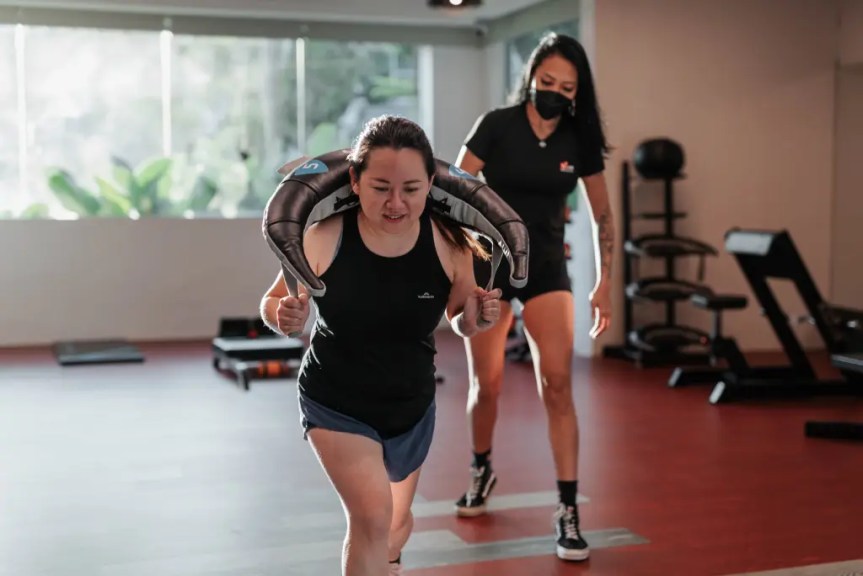
Hiring a fitness trainer Singapore can feel like a big commitment, especially if you are unsure about what results to expect. While many people know that trainers provide exercise guidance, fewer realise how deeply a personalised programme can transform lives. To demonstrate the real impact of professional coaching, this article presents a series of case studies from Singapore. Each example shows how trainers help clients overcome challenges, break barriers, and achieve goals they once thought impossible.
These stories highlight not only physical changes but also improvements in confidence, mindset, and lifestyle. They reflect the diversity of clients in Singapore, from busy professionals to new mothers and seniors, and illustrate why working with the right trainer is such a powerful investment.
Case Study 1: A Busy Professional Balancing Health and Career
The Challenge
Daniel, a 34-year-old financial analyst, spent most of his time in front of a computer. Long hours and irregular meals led to weight gain and chronic fatigue. He wanted to lose 10 kilograms and improve his energy levels but struggled to find time for consistent exercise.
The Trainer’s Approach
His trainer created a programme focused on efficiency. Instead of long workouts, Daniel trained three times a week for 45 minutes. Sessions combined strength training with metabolic circuits to maximise calorie burn. Nutrition guidance emphasised simple meal planning rather than strict dieting.
The Results
Within six months, Daniel lost 12 kilograms, reduced his body fat percentage, and reported higher productivity at work. He learned how to exercise effectively despite a demanding schedule, proving that even professionals with little free time can achieve results with the right support.
Case Study 2: Postnatal Recovery and Confidence Rebuilding
The Challenge
Mei Ling, a 29-year-old mother, struggled with postnatal weight gain and lower back pain after her first pregnancy. She wanted to regain her strength and confidence but was concerned about exercising safely.
The Trainer’s Approach
Her trainer specialised in postnatal fitness and designed a programme focusing on pelvic floor strength, gentle core activation, and posture correction. Workouts gradually increased intensity as her recovery progressed. The trainer also included functional movements to help Mei Ling with childcare tasks.
The Results
Over nine months, Mei Ling lost 15 kilograms, improved her posture, and reported reduced back pain. Most importantly, she regained confidence in her body. This case shows how trainers play an essential role in guiding safe, effective recovery for new mothers.
Case Study 3: Senior Client Improving Mobility and Independence
The Challenge
Mr Tan, a 65-year-old retiree, wanted to improve his mobility after noticing he was becoming less steady on his feet. His goal was to reduce fall risk and maintain independence for daily activities.
The Trainer’s Approach
The trainer focused on functional movements, balance drills, and light resistance training. Sessions included step-ups, seated squats, and resistance band exercises. The programme emphasised joint mobility and core stability rather than heavy lifting.
The Results
After one year, Mr Tan showed remarkable improvement in balance and strength. He could walk longer distances without fatigue and felt more confident performing daily tasks. His transformation demonstrated that age is not a barrier to progress when guided by specialised training.
Case Study 4: Preparing for IPPT Performance
The Challenge
Marcus, a 23-year-old university student, struggled with his Individual Physical Proficiency Test (IPPT). He consistently failed the 2.4km run and wanted targeted training to pass before enlistment deadlines.
The Trainer’s Approach
His trainer created a structured programme focusing on endurance, running mechanics, and strength for push-ups and sit-ups. Interval training and progressive overload were used to build cardiovascular capacity. Recovery techniques such as foam rolling were also introduced.
The Results
Within four months, Marcus improved his run time by two minutes, increased his push-up count by 20, and passed his IPPT with confidence. This case illustrates how trainers help clients achieve performance-based goals by applying structured training principles.
Case Study 5: Weight Management for Long-Term Health
The Challenge
Anita, a 42-year-old marketing manager, had struggled with weight fluctuations for years. She wanted to lose fat but also develop sustainable habits that would prevent future weight regain.
The Trainer’s Approach
Her trainer focused on lifestyle coaching as much as exercise. Strength training was combined with moderate cardio, while nutrition coaching emphasised portion control and meal planning. The trainer also worked on mindset, helping Anita build consistency rather than chasing quick results.
The Results
After a year, Anita lost 18 kilograms and maintained the weight loss. She also reported higher confidence and better energy levels. Unlike her past attempts, she felt in control of her habits, proving that trainers provide more than workouts — they also guide behavioural change.
Case Study 6: Injury Rehabilitation and Safe Return to Fitness
The Challenge
Rahul, a 31-year-old engineer, had a knee injury from a football game. After physiotherapy, he wanted to return to regular fitness but feared reinjury.
The Trainer’s Approach
The trainer used corrective exercise strategies to strengthen stabilising muscles around the knee. Sessions began with mobility and balance work, gradually progressing to controlled strength training and low-impact cardio. The trainer collaborated with Rahul’s physiotherapist to ensure safety.
The Results
Within eight months, Rahul regained full mobility, rebuilt lower-body strength, and returned to playing recreational football. This case shows how trainers support recovery by bridging the gap between medical treatment and active fitness.
Common Themes Across Transformations
These case studies reveal recurring elements in successful transformations:
-
Customisation: Programmes tailored to individual goals and limitations.
-
Accountability: Regular check-ins and progress tracking kept clients on track.
-
Education: Trainers taught clients how to maintain habits independently.
-
Motivation: Emotional support played as big a role as physical guidance.
Personal trainers in Singapore succeed because they combine scientific knowledge with the ability to connect personally with clients from all walks of life.
The Role of True Fitness in Supporting Transformations
Facilities such as True Fitness Singapore provide the environment where these transformations happen. With access to modern equipment, group classes, and professional trainers, clients benefit from a structured system that supports every stage of their journey. The combination of professional expertise and a supportive facility helps clients achieve results that last.
FAQs About Real-Life Transformations With Trainers
Q. How long does it usually take to see visible results with a trainer in Singapore?
A. Most clients notice changes within 8 to 12 weeks, though timelines vary based on goals, starting condition, and consistency. Long-term transformations, like those highlighted here, typically take 6 months to a year.
Q. Can trainers adapt programmes for people with busy schedules?
A. Yes. Trainers often design shorter, more efficient workouts for clients with limited time. The key is consistency and intensity, rather than spending long hours at the gym.
Q. Are case study results typical for every client?
A. Results depend on individual effort, adherence to the programme, and lifestyle factors. While these case studies highlight success stories, each client’s journey is unique.
Q. Do I need to be fit before hiring a trainer?
A. Not at all. Trainers are trained to work with beginners and tailor sessions according to current fitness levels. Starting with a trainer can actually reduce the risk of injury compared to exercising alone.
Q. Can trainers help beyond exercise, such as nutrition or mindset?
A. Many trainers provide general nutrition guidance and motivational coaching as part of their service. Some hold additional certifications in nutrition or wellness, making their approach more holistic.

 Proz Health